ABSTRACT EXPRESSIONISM
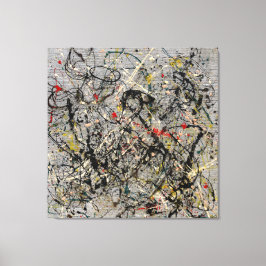
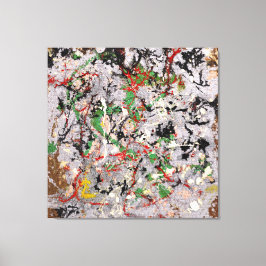
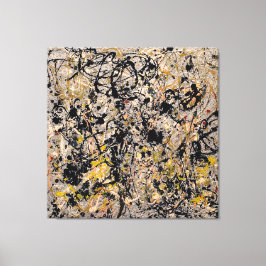
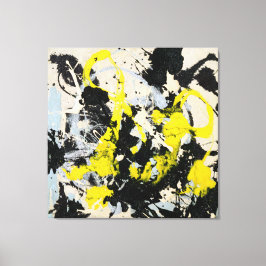
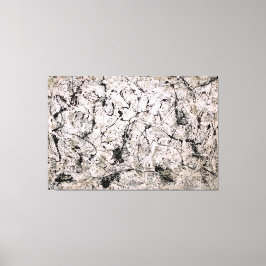
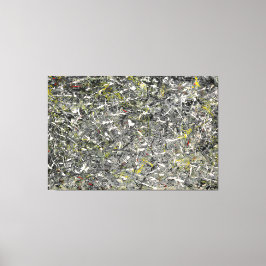
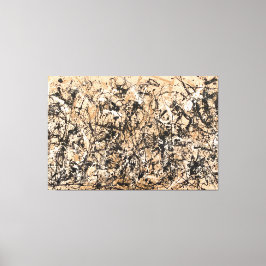
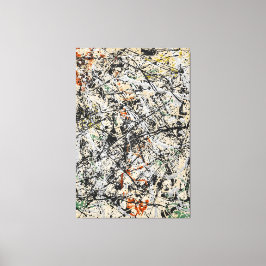
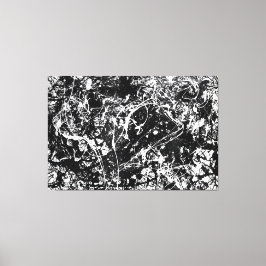
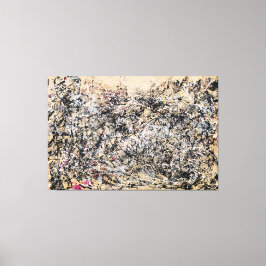
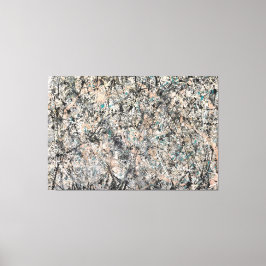
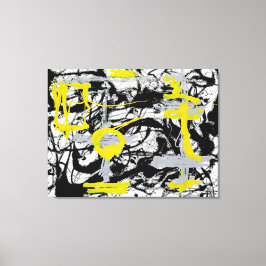
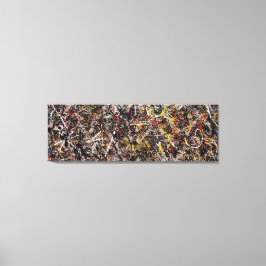
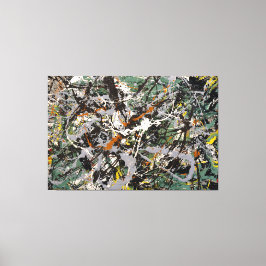
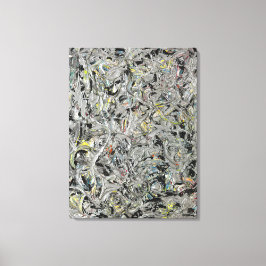
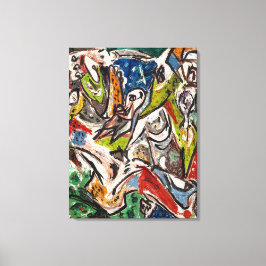
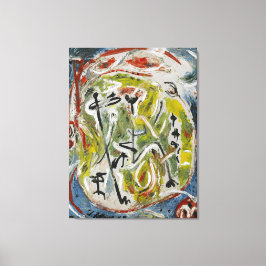
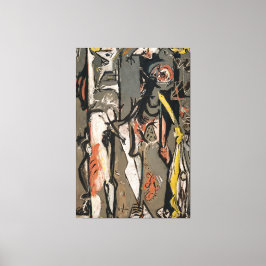
Abstract Expressionism, a transformative art movement that emerged in the mid-20th century in the United States, reached its zenith during the 1940s and 1950s. This movement is renowned for its departure from representational forms and a focus on spontaneous, gestural expression, marking it as the first major American art movement to gain international prominence. Gestural Abstraction, a key feature of Abstract Expressionism, is exemplified by artists such as Jackson Pollock, Willem de Kooning, and Franz Kline. These artists placed a profound emphasis on the act of painting itself, employing bold, sweeping brushstrokes that conveyed a sense of dynamic movement on the canvas. Color and Form played pivotal roles within the movement, with artists exploring a broad spectrum of color palettes and delving into the emotional impact of color. Shapes and forms were often abstracted, inviting subjective interpretations by viewers. Many Abstract Expressionist works are distinguished by their Large Scale. Artists utilized expansive canvases, enabling a physical engagement with their work. Unconventional tools and techniques were often employed in the creation of these monumental pieces. The essence of Abstract Expressionism lies in Spontaneity and Intuition. Artists sought to express inner emotions and subconscious thoughts through spontaneous, intuitive processes, prioritizing the immediacy of creation over premeditation. Emotional Content is a defining characteristic of Abstract Expressionism. The movement often conveyed a profound sense of emotional intensity and existential angst. The canvas became a space for artists to grapple with personal and universal themes, allowing for a raw and authentic expression of their inner worlds.
49 resultados
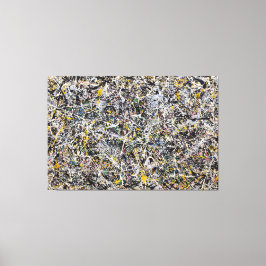
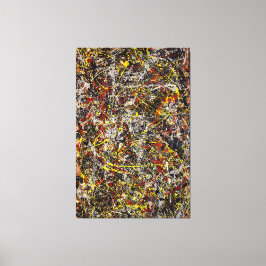

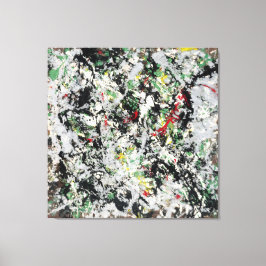
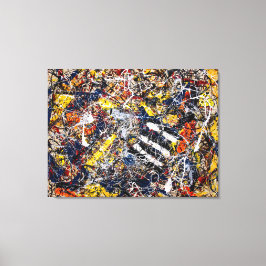

Impressão Em Tela J. P. - Número 17 FOGOS - 1950 -
Preço266,00 €
Outras Coleções que você pode gostar por The Marvelous Realm of Fine Art