ROMANTICISM
The Romanticism movement, which emerged in Europe during the late 18th century and reached its zenith in the first half of the 19th century, was a multifaceted cultural, artistic, and intellectual reaction against the Enlightenment's rationalism and order. Embracing emotion, individualism, and the sublime, Romanticism permeated various artistic disciplines, leaving an indelible mark on literature, music, visual arts, and philosophy.
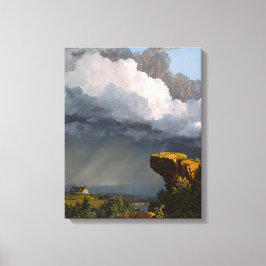
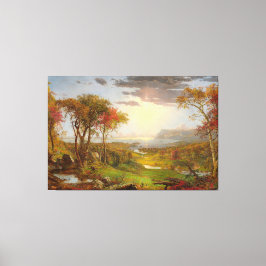
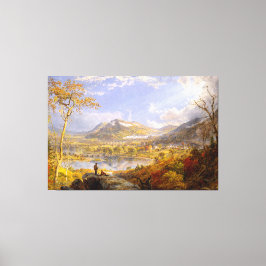
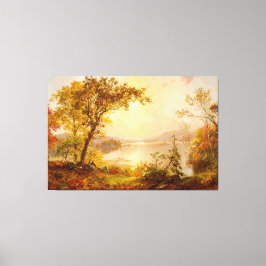
At its core, Romanticism celebrated the supremacy of individual emotions, imagination, and intuition, challenging the dominance of reason and universal truths. Nature played a pivotal role in Romantic thought, inspiring artists and writers to explore the beauty, power, and unpredictability of the natural world. The sublime, a concept that combined awe and terror, became a recurrent theme in Romantic works.
Central to Romantic thinking was the belief in the power of creativity and imagination as crucial elements of the human experience. Artists sought to create works that were spontaneous expressions of their emotions and ideas, breaking away from the constraints of established rules and conventions.
The Romantics were fascinated by the exotic and the unfamiliar, drawing inspiration from folklore, mythology, and distant lands. This interest in the exotic reflected a desire to escape the constraints of everyday life and delve into the mysteries of other cultures.
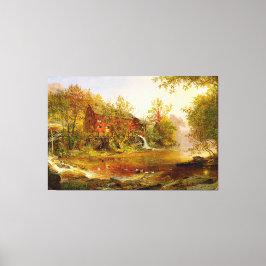
The movement also played a significant role in fostering nationalism, with artists and writers drawing on local folklore, history, and traditions to celebrate the unique qualities of their respective nations. Simultaneously, Romanticism expressed skepticism toward the Industrial Revolution, lamenting the loss of connection to nature and critiquing the dehumanizing effects of industrialization.
A recurring theme in Romantic art and literature was a fascination with the past. Artists romanticized medieval themes, Gothic architecture, and historical events as a means of connecting with a perceived golden age.
Prominent figures in Romanticism include literary giants such as William Wordsworth, Samuel Taylor Coleridge, Lord Byron, Percy Bysshe Shelley, and John Keats. In the visual arts, notable names include Caspar David Friedrich, J.M.W. Turner, Eugène Delacroix, and Francisco Goya. In music, the likes of Ludwig van Beethoven, Franz Schubert, and Franz Liszt made significant contributions.
In conclusion, the Romantic movement's enduring legacy lies in its profound influence on Western culture. Its emphasis on individual expression, emotion, and a connection to nature continues to resonate in various forms of artistic expression today, leaving an indelible mark on the cultural landscape.
7 resultados


Outras Coleções que você pode gostar por The Marvelous Realm of Fine Art