Sobre
The Story of a Puzzle
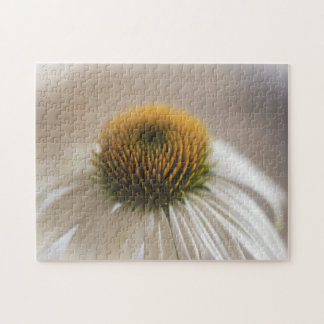
The first puzzle arrived as a photograph, not yet knowing what it wanted to become.
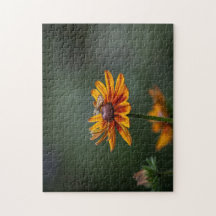
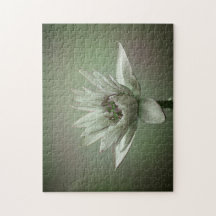
It was a quiet image—a beautiful flower, standing straight and tall, allowing a pollinator to feast on it's nectar. For years, the photograph lived on a hard drive, then as a framed print on a studio wall. People admired it, nodded, moved on. It was beautiful, but distant.
The idea came unexpectedly: what if my art could be held longer, studied slowly, assembled piece by piece? A puzzle would force attention. It would turn looking into participation.
Turning fine art photography into puzzles, however, was not as simple as cutting an image into shapes. The first obstacle appeared immediately: the prints lost their depth when transferred to puzzle board. What made the photograph breathe on paper suffocated in mass production.
After a few attempts at failed printing, the project stalled. Finally a process called sublimation utilizing a special printer was developed. It produced puzzles which retained their beautiful depth and color using archival inks, textured coatings, and special papers.
Being assembled on a table, the image revealed itself slowly, piece by piece, asking for time instead of demanding attention. The photograph no longer hung passively on a wall—it invited hands, conversations, and quiet moments of focus.
When the puzzles went on sale, people didn’t just buy them to complete. They bought them to experience art differently. Some framed the finished pieces. Others took them apart and began again. Some traded puzzles with family or friends.
The printing obstacle had reshaped the vision: art didn’t need to be protected behind glass to be valuable. Sometimes, it needed to be scattered, trusted, and patiently put back together.
Mais
Últimos Produtos Criados
Exibir todos os produtos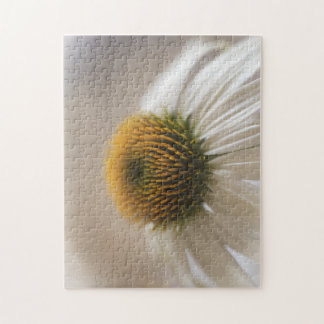
Coleções
Exibir todas Coleções

CRIADOR